
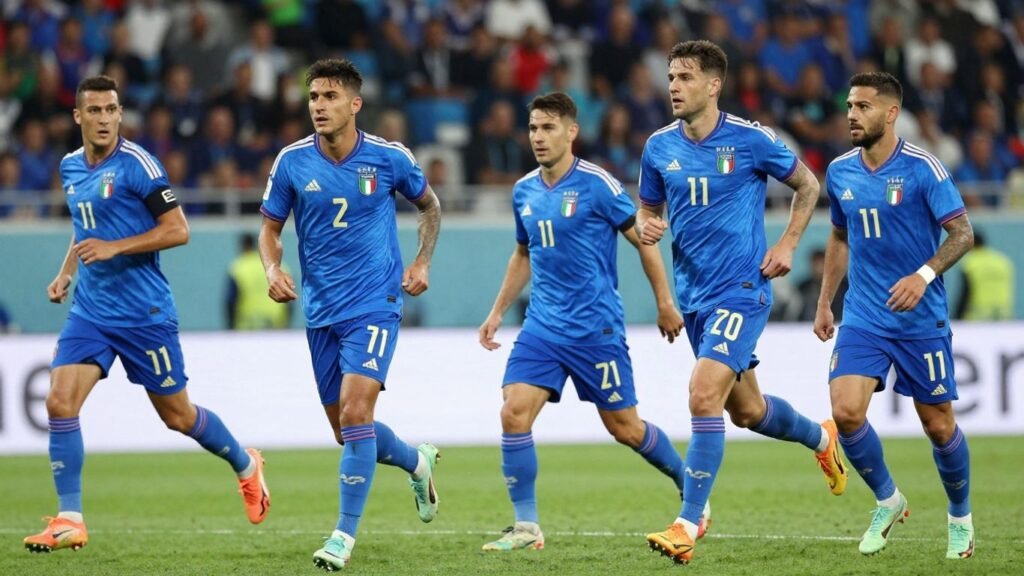
So, you want to know about the Nazionale Italia Calcio, huh? It’s more than just a soccer team; it’s a whole vibe. Italians are seriously passionate about their football, and when the national team, the Azzurri, plays, it’s like the whole country stops. We’re talking about a team with a history, a style, and a way of playing that really captures the spirit of Italy. Whether you’re a lifelong fan or just curious, there’s a lot to unpack about this iconic squad.
Key Takeaways
- The Azzurri nickname comes from the traditional royal blue color of the Italian national teams, linked to the House of Savoy.
- Nazionale Italia Calcio boasts a rich history, including four FIFA World Cup titles and two European Championship wins.
- Legendary coaches and players have shaped the team’s legacy, with many holding records for appearances and goals.
- Italian football generates immense passion, especially during major tournaments like the World Cup, uniting the nation.
- The Azzurri have significant rivalries with other top footballing nations and consistently rank among the world’s elite teams.
Understanding the Azzurri Nickname
The Significance of Savoy Blue
Ever wonder why Italy’s national football team is called ‘gli Azzurri’? It all comes down to their distinctive color: a deep, rich blue. This isn’t just any blue, though. It’s known as Savoy blue, a shade deeply tied to the history of Italy itself. This royal hue connects the team to the House of Savoy, the family that once ruled Italy. It’s a color that has graced the national kits for over a century, representing more than just a team; it represents the nation’s heritage.
A Tradition of Royal Colors
The choice of blue for the national team dates back to the early 20th century. When the Italian Football Federation (FIGC) was formed, the royal family’s color was adopted. Think of it like a royal standard, but for sports. This tradition has stuck, even after Italy became a republic. The blue jersey became a symbol of national pride, worn by players who carried the hopes of a nation onto the pitch. It’s a visual link to Italy’s past, a constant reminder of the journey the team and the country have taken.
More Than Just a Color
So, ‘Azzurri’ means ‘blues’, but it signifies much more than just the color of the shirts. It’s a rallying cry, a symbol of unity, and a badge of honor. When fans shout ‘Forza Azzurri!’, they’re not just cheering for a team in blue; they’re celebrating a shared identity and a rich sporting legacy. This color has been present through countless victories and tough losses, becoming synonymous with the spirit of Italian football. It’s a tradition that continues to inspire players and fans alike, a vibrant thread woven through the fabric of Italian sports history. You can see the evolution of these kits over the years, each one carrying the weight of expectation and the pride of a nation. The team’s journey is a big part of Italian football history.
A Storied History of Nazionale Italia Calcio
The Early Days and First Victories
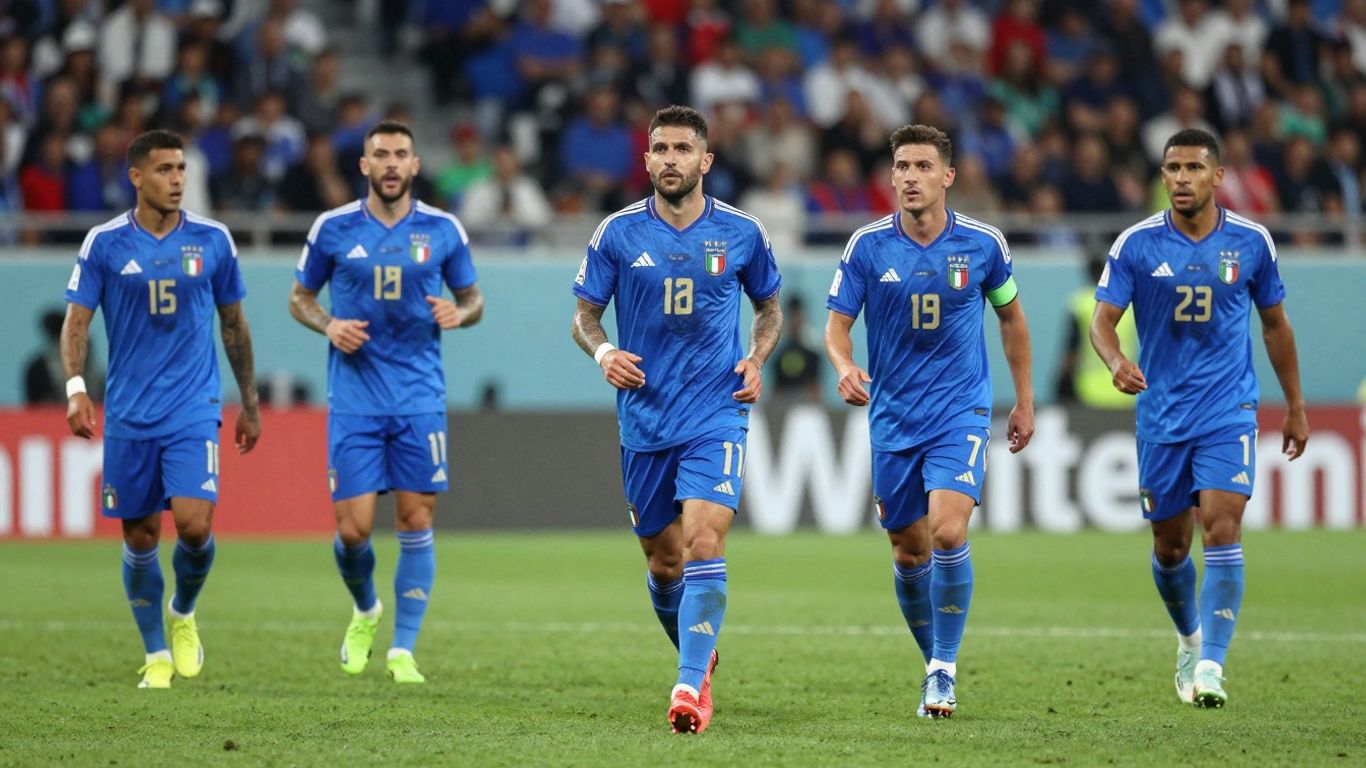
The Italian national football team, known affectionately as the Azzurri, has a history stretching back over a century. While the Italian Football Federation was established in 1898, the team didn’t play its first official match until 1910. That inaugural game was a resounding success, with Italy defeating France 6-2. This marked the beginning of a journey filled with both triumphs and challenges.
The team’s early years were characterized by a growing passion and a desire to make their mark on the international stage. They participated in early World Cups, with their first major success coming in 1934 on home soil. Coached by Vittorio Pozzo, that legendary squad, featuring stars like Giuseppe Meazza, secured Italy’s first World Cup title. This victory was followed by another in 1938, making Italy the first nation to win back-to-back World Cups.
Dominance in the World Cup Era
Following their initial World Cup triumphs, the Azzurri continued to be a formidable force in international football. While they didn’t participate in the inaugural 1930 World Cup, their subsequent performances cemented their status as a global powerhouse. The 1934 and 1938 victories under Vittorio Pozzo were particularly significant, showcasing a team with incredible talent and tactical discipline.
Here’s a look at their World Cup wins:
- 1934: Hosted and won in Italy.
- 1938: Won in France.
- 1982: Won in Spain.
- 2006: Won in Germany.
This record places them among the most successful national teams in the history of the tournament, second only to Brazil in terms of titles. Their consistent presence in the latter stages of the competition over the decades speaks volumes about their enduring quality.
Resilience After Tragedy
Like any long-standing national team, Italy’s history isn’t without its difficult moments. There have been periods of rebuilding and overcoming significant setbacks. One of the most profound tragedies was the Superga air disaster in 1949, which claimed the lives of almost the entire Grande Torino team, many of whom were key players for the national side. This event cast a long shadow over Italian football.
The Azzurri have a remarkable ability to bounce back from adversity. Whether it’s a devastating loss or a period of transition, the team has consistently found a way to regroup and return to contention. This resilience is a testament to the deep-rooted passion for football in Italy and the unwavering support of its fans.
Despite these challenges, the national team has always managed to rise again. Their ability to rebuild and achieve success, even after profound loss, is a defining characteristic of their storied history. This enduring spirit is something that fans have come to expect and admire, making their comebacks all the more celebrated. The team’s journey, including the challenges faced by the U21 team, reflects this ongoing narrative of perseverance.
The Azzurri’s Triumphs and Records
Four-Time World Cup Champions
Italy’s history on the world stage is nothing short of spectacular. They’ve lifted the FIFA World Cup trophy a remarkable four times, a feat matched only by Brazil. Their first taste of glory came in 1934, on home soil, followed by a successful defense of the title in 1938. After a long wait, the Azzurri reclaimed their championship status in 1982 with a legendary team, and most recently in 2006, in a dramatic final. These victories cement Italy’s place among the elite footballing nations.
European Championship Success
Beyond the World Cup, Italy has also made its mark on the European Championship. They clinched the title in 1968, another home victory, and then again in 2020 (played in 2021 due to the pandemic), showcasing their enduring strength in continental competitions. They’ve also reached the final twice more, in 2000 and 2012, demonstrating consistent performance at the highest level of European football.
Unbeaten Streaks and FIFA Rankings
The Azzurri have achieved some incredible streaks throughout their history. Most notably, they hold the world record for the longest unbeaten run in international football, with an astonishing 37 consecutive matches without a loss, a period that spanned from October 2018 to October 2021. This dominance has seen them ranked highly by FIFA on multiple occasions, even reaching the number one spot several times. While their ranking can fluctuate, their historical achievements and periods of sustained excellence are undeniable.
| Competition | Titles | Runners-up | Third Place | Total Appearances |
|---|---|---|---|---|
| FIFA World Cup | 4 | 2 | 1 | 18 |
| UEFA European Championship | 2 | 2 | 0 | 11 |
| UEFA Nations League | 0 | 0 | 2 | 2 |
| Confederations Cup | 0 | 0 | 1 | 2 |
The Azzurri’s trophy cabinet is a testament to their consistent presence at the top of international football. Their ability to perform under pressure, especially in major tournaments, is a hallmark of their success.
Key Figures in Italian Football History
Legendary Coaches and Players
Italy’s football legacy is built on the backs of some truly remarkable individuals. Think about coaches like Enzo Bearzot, who led the Azzurri to World Cup glory in 1982. He had this knack for getting the best out of his players, a real master strategist. Then there’s Vittorio Pozzo, the only coach to win two World Cups with Italy, back in 1934 and 1938. His teams were known for their grit and tactical smarts.
On the player side, where do you even start? You’ve got legends like Giuseppe Meazza, a star of those early World Cup wins. He was a forward with incredible skill and vision. Fast forward a bit, and you have players like Roberto Baggio, the "Divine Ponytail," who could change a game with a single moment of magic. And who could forget Paolo Maldini? A defender who played with such grace and intelligence for what felt like forever, captaining the team with immense authority.
Record Holders for Caps and Goals
When we talk about longevity and impact, a few names really stand out. Gianluigi Buffon is the absolute king when it comes to appearances for the Azzurri. He was a wall in goal for so many years, a true leader on the field. He’s got way more caps than anyone else.
Here’s a look at some of the players with the most appearances:
| Rank | Player | Caps | Goals | Period |
|---|---|---|---|---|
| 1 | Gianluigi Buffon | 176 | 0 | 1997–2018 |
| 2 | Fabio Cannavaro | 136 | 2 | 1997–2010 |
| 3 | Paolo Maldini | 126 | 7 | 1988–2002 |
| 4 | Leonardo Bonucci | 121 | 8 | 2010–2023 |
| 5 | Giorgio Chiellini | 117 | 8 | 2004–2022 |
And when it comes to scoring goals, Gigi Riva holds a special place. He was a prolific striker, a real finisher who knew how to find the back of the net consistently for Italy.
Top Scorers for Italy:
| Rank | Player | Goals | Caps | Period |
|---|---|---|---|---|
| 1 | Gigi Riva | 35 | 42 | 1965–1974 |
| 2 | Giuseppe Meazza | 33 | 53 | 1930–1939 |
| 3 | Silvio Piola | 30 | 34 | 1935–1952 |
| 4 | Roberto Baggio | 27 | 56 | 1988–2004 |
| 5 | Adolfo Baloncieri | 25 | 47 | 1920–1930 |
Notable Captains Through the Ages
Captaining the Azzurri is a huge honor, and Italy has had some incredible leaders. Think about Giacinto Facchetti, a defender who was captain for a long time and embodied the spirit of the team. Then there’s Dino Zoff, the legendary goalkeeper who captained Italy to their 1982 World Cup win. His presence in goal was just immense.
More recently, players like Fabio Cannavaro, who lifted the World Cup trophy in 2006 as captain, and Gianluigi Buffon, who wore the armband for years, carried on that tradition of strong leadership. Giorgio Chiellini was another warrior who led the team with passion and determination.
The captaincy of the national team isn’t just about wearing the armband; it’s about representing the hopes and dreams of a nation on the pitch. These players have to be leaders not only in skill but also in character, inspiring their teammates and connecting with the fans.
These captains have all left their mark, not just with their performances but with the way they led the team through triumphs and tough times.
Experiencing the Passion of Italian Football
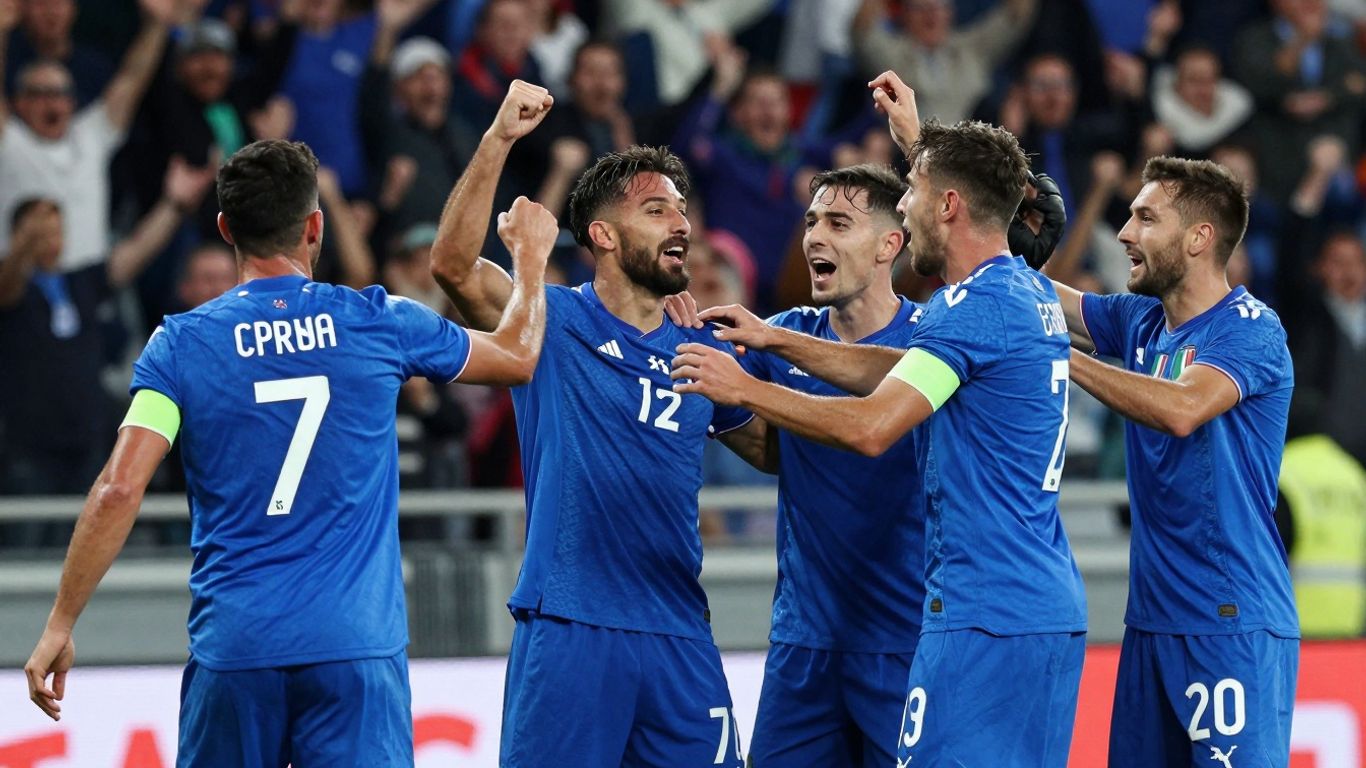
Watching the Azzurri play isn’t just about the 90 minutes on the pitch; it’s a full-blown cultural event. It’s about the shared experience, the collective emotion that sweeps through Italy, and even beyond its borders. Whether you’re in a bustling piazza, a cozy trattoria, or gathered with friends at home, the energy is palpable.
The World Cup Fever Phenomenon
When the World Cup rolls around, Italy transforms. It’s more than just a tournament; it’s a national obsession. Bars and squares fill up, screens are set up everywhere, and the entire country seems to hold its breath for every match. You’ll see flags draped from balconies, car horns honking in celebration, and a sea of blue shirts. It’s a time when everyone, regardless of their usual interests, gets swept up in the excitement. This shared anticipation and joy is a huge part of what makes supporting the Azzurri so special. It’s a chance to feel connected to something bigger than yourself, a moment where everyone is united under the banner of Italian football.
Rituals and Celebrations
Italian football fans, or tifosi, are known for their passionate rituals and celebrations. These aren’t just random acts; they’re deeply ingrained traditions that fans believe influence the game. You might see specific pre-game routines, lucky charms, or even superstitions about what to wear or eat. When Italy scores, the reaction is explosive – hugs, cheers, and an outpouring of pure elation. If they win, the celebrations spill out into the streets, with impromptu parades and gatherings that can last late into the night. It’s a beautiful chaos, a testament to the deep emotional investment fans have in their team. You can explore the deep history and cultural importance of Italy’s national soccer team to get a better sense of this.
The Unifying Power of the Azzurri
What’s truly remarkable is how the Azzurri bring people together. It transcends age, background, and even nationality. You don’t have to be Italian to feel the pull of the Azzurri. Many fan clubs around the world are filled with people who simply fell in love with the team’s style, its history, or the sheer passion it inspires. Watching a game becomes an opportunity to make new friends and connect with others who share this common love. It’s a reminder that sport can be a powerful force for unity, creating bonds that last long after the final whistle blows.
Rivalries and International Standing
Italy’s football journey is marked by intense rivalries and a consistent presence among the world’s top teams. These matchups aren’t just games; they’re chapters in a long, often dramatic, history.
Historic Matches Against Top Nations
The Azzurri have a rich history of facing off against other footballing giants. While the passion for these games is always high, some rivalries stand out more than others. Matches against Germany, for instance, are often seen as a true test of strength, filled with memorable moments and hard-fought battles. Then there’s the rivalry with France, another neighbor with whom Italy shares a deep footballing connection, often leading to nail-biting encounters.
Even matches against Spain, sometimes called the "Mediterranean Derby," have gained significance, especially in recent tournaments. These games, while perhaps less heated than those against Germany or France, are still highly anticipated, often showcasing tactical battles and high-quality football.
Italy’s Place in Global Rankings
Italy has consistently been a force in international football. Their historical success, including multiple World Cup wins, means they are almost always found near the top of the FIFA World Rankings. While rankings can fluctuate, the Azzurri’s pedigree ensures they are always considered a team to watch.
Here’s a look at some of their historical rankings:
- Peak FIFA Ranking: Often within the top 5, reflecting periods of dominance.
- Recent Performance: While not always number one, they frequently feature in the top 10 or 15, showing their sustained competitiveness.
- FIFA Best Mover of the Year: Awarded in 2006, highlighting a significant upward movement, likely due to their World Cup victory that year.
The Azzurri’s ability to adapt and perform consistently across different eras is a testament to the enduring strength of Italian football.
The Azzurri’s Competitive Spirit
What defines Italy on the international stage is their remarkable competitive spirit. They are known for their tactical discipline, resilience, and an uncanny ability to perform under pressure. This spirit has seen them through countless tough matches and tournaments.
Key aspects of their competitive nature include:
- Defensive Solidity: Historically, Italy has been renowned for its strong defense, making them incredibly difficult to break down.
- Tactical Adaptability: Coaches and players have shown a great capacity to adjust their strategies based on the opponent and the game situation.
- Mental Fortitude: The team often displays a strong mental game, capable of finding a way to win even when things look bleak.
This combination of skill, strategy, and sheer willpower is what makes the Azzurri such a respected and feared opponent worldwide.
The Azzurri: More Than Just a Team
So, there you have it. The Italian national football team, the Azzurri, is a pretty big deal. They’ve got a history packed with wins, some legendary players, and a fanbase that’s truly something else. It’s not just about the games; it’s about the passion, the unity, and that feeling of being Italian when the team plays. Whether they’re lifting trophies or going through a rough patch, the Azzurri always seem to bring people together. It’s a connection that goes way beyond the 90 minutes on the pitch, and that’s pretty special, right?
Frequently Asked Questions
Why are the Italian national football team called the ‘Azzurri’?
The Italian team is called the ‘Azzurri,’ which means ‘Blues’ in Italian. This nickname comes from the traditional dark blue color of their jerseys. This blue color is linked to the historic House of Savoy, the royal family that once ruled Italy, whose official color was Savoy blue.
How many times has Italy won the FIFA World Cup?
Italy has won the FIFA World Cup a total of four times. They were champions in 1934, 1938, 1982, and 2006. This makes them one of the most successful national teams in the history of the tournament, second only to Brazil.
What is Italy’s biggest achievement in the European Championship?
Italy has won the UEFA European Championship twice. Their victories came in 1968 and more recently in 2020. They have also been runners-up in the tournament on other occasions.
Who are some of the most famous players in Italian football history?
Italy has a rich history of legendary players. Some of the most iconic names include Giuseppe Meazza from the early days, Paolo Rossi who led them to victory in 1982, and defensive stalwarts like Franco Baresi and Paolo Maldini. More recently, players like Andrea Pirlo and Gianluigi Buffon have become national heroes.
What is the ‘World Cup Fever’ in Italy?
‘World Cup Fever’ describes the intense excitement and national unity that grips Italy when their national team, the Azzurri, plays in the World Cup. For a month, football becomes the main topic of conversation, flags appear everywhere, and the whole country seems to stop to watch the games together, feeling a strong sense of national pride and togetherness.
Does Italy have strong rivalries with other football teams?
Yes, Italy has intense and historic rivalries with several other major footballing nations. Matches against teams like Brazil, France, Germany, and Spain are always highly anticipated and fiercely contested, showcasing Italy’s competitive spirit on the international stage.