
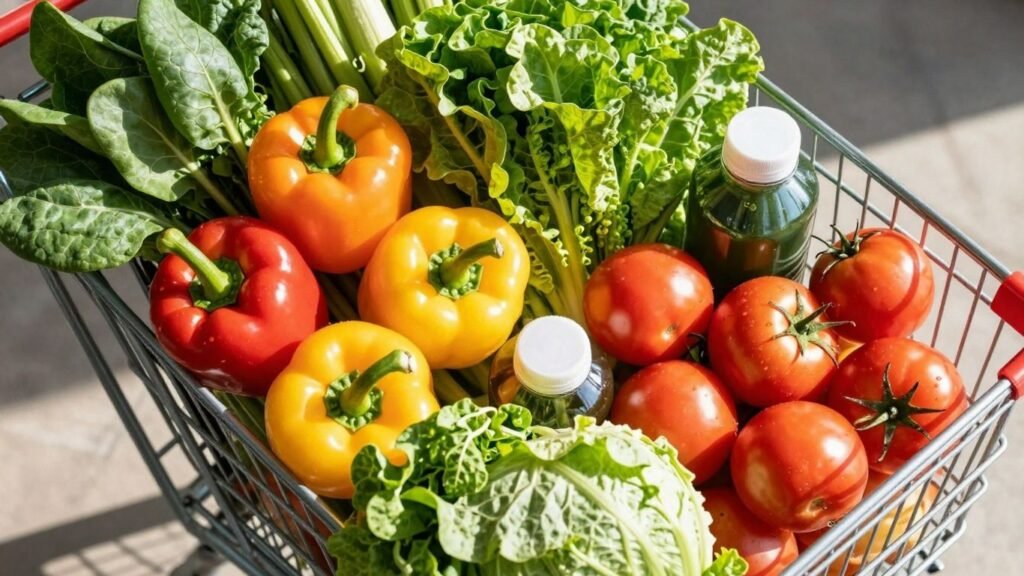
Grocery prices seem to be going up all the time, right? It feels like every trip to the store leaves your wallet feeling a little lighter. But here’s the good news: you actually have a lot more power over how much you spend on food than you might think. This article is all about helping you figure out how to save money on groceries, no matter what your budget looks like. We’ll go through some simple, practical ways to cut down your food bill without feeling like you’re missing out.
Key Takeaways
- Before you even think about going to the store, make a plan. Figure out what you’ll eat for the week, write down exactly what you need, and decide how much you can spend. This stops you from buying extra stuff you don’t need and helps cut down on food going to waste.
- When you’re shopping, be smart about it. Use apps that give you deals, compare prices per ounce or pound to make sure you’re getting the best bang for your buck, and try to shop when things are on sale.
- Look for ways to save on the items themselves. Generic brands are often just as good as the name brands but cost less. Buying some things in larger quantities can save money, and picking cheaper cuts of meat for meals can also make a difference.
- It’s easy to buy things you don’t need if you’re not careful. Try not to shop when you’re hungry or tired, and if you can, go by yourself so you can focus on your list and avoid impulse buys.
- Think about how you store and use your food. Having a freezer is great for stocking up on deals, and preparing meals ahead of time can save you money and stress. Even trying to grow a few of your own herbs or veggies can help.
Strategic Planning For Your Grocery Trips

Before you even think about stepping foot in a grocery store, a little bit of planning goes a really long way. It’s like getting ready for a road trip; you wouldn’t just hop in the car and hope for the best, right? Same goes for groceries. This is where you lay the groundwork for saving money and avoiding that dreaded moment at the checkout when the total makes your eyes water.
Create A Comprehensive Meal Plan
This is the absolute first step. Think about what you and your family will eat for the week. It doesn’t have to be fancy. Maybe it’s a few dinners, some lunches, and a couple of breakfast ideas. Having a meal plan means you’re not just buying random things. You know what you need, and more importantly, you know what you don’t need. This cuts down on impulse buys and helps prevent food waste because you’re actually using what you purchase. It’s a solid way to start managing your food expenses more effectively.
Planning your meals transforms grocery shopping from a reactive activity into a strategic process. When you know exactly what you’re buying and why, you spend more intentionally and waste less food.
Here’s a simple way to approach it:
- Look at your schedule: Busy nights mean simple meals. Weekends might allow for more involved cooking.
- Check your pantry and fridge: See what you already have. Plan meals around those items first to use them up.
- Consider sales: If you know chicken is on sale this week, plan a couple of chicken dishes.
- Involve the family: Ask for input on favorite meals to increase buy-in and reduce complaints.
Develop A Detailed Grocery List
Once your meal plan is set, it’s time to make a list. Don’t just jot down "milk" or "bread." Be specific. If your recipe calls for two onions, write down "2 onions." Organize your list by store sections – produce, dairy, meat, frozen, pantry staples. This saves you time wandering aimlessly and helps you stick to what you need. Seriously, treat this list like your grocery store bible. It’s your shield against those tempting end-cap displays and those "buy one get one free" deals that you don’t actually need.
- Categorize: Group items by store layout (e.g., produce, dairy, canned goods).
- Be specific: Note quantities and sizes needed.
- Review and refine: Double-check against your meal plan and pantry inventory.
Establish And Adhere To A Strict Budget
This is where the rubber meets the road. Before you even start planning meals, decide how much you can realistically spend on groceries for the week or month. Write this number down. Then, as you create your meal plan and grocery list, keep that budget in mind. If your initial list comes out to more than you can spend, you’ll need to make adjustments. Maybe swap a pricier cut of meat for chicken, or plan a meatless meal. Sticking to your budget is key to long-term savings. It might feel restrictive at first, but you’ll get used to it, and the financial freedom it brings is totally worth it. You can use a simple notebook or a grocery savings guide to track your spending.
Smart Shopping Techniques To Maximize Savings
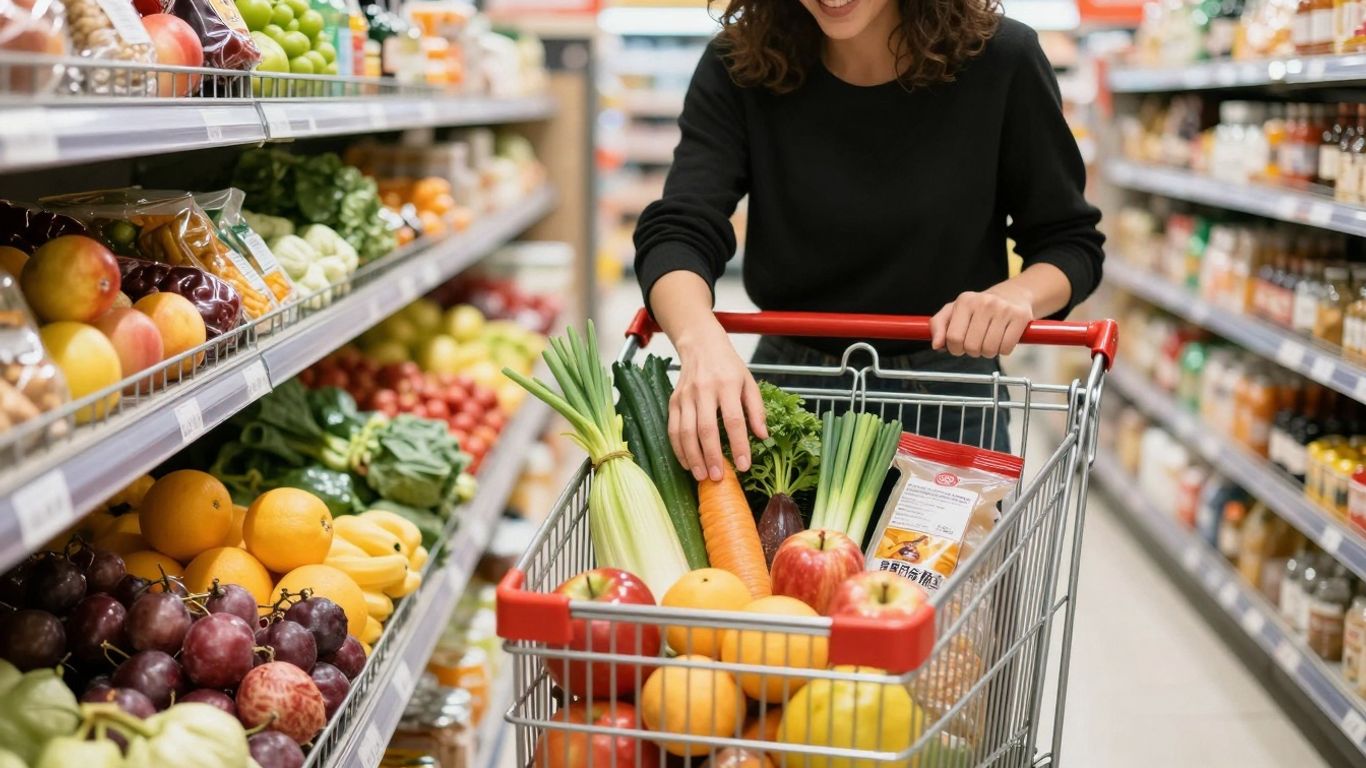
Okay, so you’ve got your meal plan and your list. Now, how do you actually make sure you’re getting the best bang for your buck when you’re in the store? It’s all about being a bit savvy with how you shop. Think of it like a game where the prize is more money in your pocket.
Leverage Digital Tools And Rewards Apps
These days, your phone can be a serious money-saving tool. Most major grocery stores have their own apps, and they’re usually packed with digital coupons you can ‘clip’ right to your loyalty card. Don’t forget about third-party apps too. Some offer cashback on specific items, while others let you scan any receipt for points. It takes a little setup, but collecting these offers can really add up. Using these digital tools is one of the easiest ways to cut down your bill without even trying too hard. It’s like getting paid to buy things you were going to buy anyway. You can find great deals on everyday items through these apps, making your grocery budget stretch further.
Compare Unit Prices For Best Value
This is a big one that people often miss. Just because a bigger package costs more overall doesn’t mean it’s a better deal. You need to look at the unit price – that’s the price per ounce, per pound, or per item. You’ll often find it printed on the shelf tag. Sometimes, a smaller package is actually cheaper per unit. It’s especially important for things you use a lot of, like cereal or toilet paper. Don’t just grab the biggest box; do a quick check of the unit price to be sure you’re getting the most for your money. It might seem like a small thing, but over time, it makes a difference.
Here’s a quick look at how unit pricing works:
| Product | Size | Total Price | Unit Price | Best Value |
|---|---|---|---|---|
| Cereal A | 12 oz | $3.60 | $0.30/oz | |
| Cereal B | 18 oz | $4.50 | $0.25/oz | X |
| Cereal C | 24 oz | $7.20 | $0.30/oz |
Shop During Sales And Discount Periods
Timing is everything when it comes to grocery shopping. Stores run sales all the time, and if you pay attention, you can really benefit. Many stores update their sales flyers on Wednesdays, so shopping later in the week might mean you miss out on the best deals. Keep an eye out for those ‘manager’s specials’ or ‘reduced for quick sale’ stickers, especially on produce or bakery items you plan to use right away. It’s a great way to try new things or stock up on staples for less. You can often find great deals on groceries online if you plan ahead.
Paying attention to when items go on sale and planning your purchases around those times can lead to significant savings. Don’t be afraid to stock up on non-perishables when they’re at their lowest price, but always consider your storage space and how quickly you’ll use them.
Savvy Choices In The Grocery Aisles
Walking through the grocery store can feel like a minefield when you’re trying to stick to a budget. But with a few smart decisions, you can really make your money go further. It’s all about being a little more mindful of what you’re putting in your cart.
Opt For Generic Brands Over Name Brands
This is a big one, folks. You know those fancy brands with the bright packaging? They often come with a fancy price tag to match. Most of the time, the generic or store-brand versions are made by the same manufacturers. Seriously! The quality is usually just as good, but you’re not paying for the name. Think about it: why pay extra for a logo when the product inside is essentially the same? It’s a simple switch that can lead to some pretty significant savings over time. For example, a study found that switching to a store’s private brand can save you around 30% compared to national brands, especially in categories like bread and cereal.
Buy In Bulk Wisely
Buying in bulk can be a fantastic way to save money, but you have to be smart about it. Look for those "family size" or "club pack" options, especially for items you use regularly. Wholesale stores can be great for this, as can bulk bins for things like grains, nuts, and dried fruit. However, don’t go overboard. If you’re trying something new, or if it’s something that will go bad before you can use it all, buying a huge quantity might just end up costing you more in the long run. Always check the unit price to make sure the larger size is actually a better deal. It’s a good idea to have a grocery rewards card to maximize savings on these larger purchases.
Choose Less Expensive Cuts Of Meat
Meat can be a huge chunk of the grocery bill, so finding ways to save here is key. Instead of always going for the prime cuts, explore other options. Cheaper cuts of meat, like chicken thighs instead of breasts, or tougher beef cuts, can be incredibly delicious and budget-friendly when cooked properly. Think slow cooking, braising, or marinating. These methods break down tougher fibers and make the meat tender and flavorful. You can often find great deals on these cuts, especially if you buy them when they’re on sale and plan to freeze them for later use. It just takes a little planning and a willingness to try different cooking techniques.
Mindful Shopping Habits For Budget Control
Sometimes, even with the best meal plans and lists, we can still overspend at the grocery store. It often comes down to how we approach the shopping trip itself. Being mindful of your own habits and the store’s environment can make a big difference in keeping your grocery bill in check.
Avoid Shopping When Hungry Or Tired
This might sound obvious, but it’s a big one. When your stomach is rumbling, everything looks appealing, and you’re more likely to grab those tempting snacks and pre-made meals you wouldn’t normally consider. Hunger can seriously mess with your judgment, leading to impulse buys that blow your budget. The same goes for shopping when you’re exhausted. You’re less likely to have the energy to compare prices, stick to your list, or even notice if you’re picking up the pricier option. You might just grab whatever’s easiest to get out of there faster.
- Eat a snack before you go: A piece of fruit, some yogurt, or a handful of nuts can tide you over and keep those impulse buys at bay.
- Schedule your trips: Try to shop when you’re feeling alert and have some energy, perhaps after a good night’s sleep or during a break in your day.
- Don’t shop when you’re feeling stressed: Emotional shopping can lead to buying things you don’t need.
The grocery store is designed to make you spend more. Bright displays, enticing smells, and strategically placed impulse items are all part of the game. Being aware of this can help you resist the urge to stray from your plan.
Limit Shopping Trips To Reduce Impulse Buys
Every time you walk into a grocery store, you’re exposed to potential impulse purchases. The more often you go, the more opportunities you have to buy things you didn’t plan for. Think about it: if you only go once a week, you’re limiting those chances. If you’re popping in every other day for ‘just one thing,’ those small, unplanned purchases can really add up over time.
- Plan for the unexpected: Keep a small stash of pantry staples at home so you don’t need to run out for a single ingredient.
- Consolidate errands: Try to combine your grocery trip with other errands if possible, but only if it doesn’t lead to more browsing in the store.
- Resist the ‘quick trip’ temptation: If you need something small, consider if it can wait until your next scheduled shopping day.
Shop Alone To Stay Focused On Your List
Shopping with others, especially kids, can be a recipe for budget overruns. Little ones often have a knack for spotting every sugary cereal and toy near the checkout. Even adults can be swayed by a friend’s suggestion or a shared craving. When you shop by yourself, you’re solely responsible for sticking to your mission. It’s easier to tune out distractions and focus on finding exactly what’s on your list without external influences.
- Communicate with family: If you usually shop together, explain your budget goals beforehand and get their buy-in.
- Designate a shopper: If possible, have one person in the household be the primary grocery shopper to maintain consistency.
- Use your phone: If you’re tempted to buy something not on the list, take a picture of it and tell yourself you can reconsider it on your next shopping trip if you still feel you need it.
Maximizing Value Through Food Storage And Preparation
Once you’ve brought your groceries home, the real work of saving money begins. How you store and prepare your food can make a big difference in how long it lasts and how much you end up using. It’s not just about buying smart; it’s about using what you buy.
Invest In A Freezer For Bulk Purchases
Buying in bulk is often cheaper per unit, but only if you can use it all before it goes bad. A chest freezer or an upright freezer can be a game-changer here. You can stock up on meat when it’s on sale, buy large bags of produce, or even freeze leftovers from big cooking projects. This way, you’re not stuck paying full price later when you need something.
Master The Art Of Meal Prepping
Meal prepping means getting some of your cooking done ahead of time. This can save you time during the week and, more importantly, prevent you from ordering takeout when you’re tired and don’t want to cook. Think about cooking a big batch of grains, roasting a tray of vegetables, or making a large pot of soup or chili on the weekend. Portioning these out into individual containers makes grabbing a healthy meal super easy.
Here are some ideas to get you started with meal prepping:
- Cook Grains in Batches: Rice, quinoa, barley, and oats can be cooked in large quantities and stored in the fridge for up to 5 days. Use them as a base for bowls, add them to salads, or serve as a side dish.
- Roast a Variety of Vegetables: Broccoli, carrots, bell peppers, sweet potatoes, and onions all roast well. Once cooked, they can be added to stir-fries, pasta dishes, or eaten as a side.
- Prepare Protein Sources: Cooked chicken breasts, hard-boiled eggs, or baked tofu can be used in salads, sandwiches, or as a protein boost for any meal.
- Make a Big Soup or Stew: These are often even better the next day and can be portioned out for lunches or quick dinners.
Explore Food Preservation Methods
Beyond freezing, there are other ways to make food last longer. Canning, pickling, and dehydrating might sound old-fashioned, but they can be very effective. If you get a great deal on seasonal produce, like berries or tomatoes, preserving them means you can enjoy them year-round without paying premium prices. Even simple things like properly storing herbs in water or wrapping greens in a damp cloth can extend their life significantly.
Making your food last longer is just as important as buying it cheaply. When food spoils, it’s like throwing money directly into the trash. Learning a few basic storage and preservation techniques can really add up in savings over time.
Exploring Alternative Grocery Shopping Strategies
Sometimes, the best way to save money isn’t just about what you put in your cart, but where and how you get your groceries in the first place. Thinking outside the usual supermarket box can lead to some surprising savings.
Consider Different Grocery Stores
It might seem obvious, but not all grocery stores are created equal when it comes to pricing. You’ve probably noticed that discount grocers or even local markets can have significantly lower prices on certain items compared to the big chain supermarkets. A little bit of research into what each store offers can pay off. For instance, one store might have great deals on produce, while another excels in pantry staples. Comparing prices across different types of stores can help you build a more budget-friendly shopping route. It takes a bit more effort, but you could save a noticeable amount over time. Some people even find that health food stores occasionally have competitive prices on specific items, so don’t rule them out entirely.
Utilize Curbside Pickup Options
Curbside pickup services, offered by many grocery stores, can be a hidden gem for budget shoppers. While some might think it’s just for convenience, it can actually help you stick to your budget. When you order online for pickup, you’re less likely to be swayed by impulse buys that line the checkout aisles or end-cap displays. You can take your time, compare prices online, and stick strictly to your pre-made list. Plus, it saves you time and gas money from driving around to multiple stores. It’s a great way to maintain control over your spending and avoid those tempting, unplanned purchases. Many of these services are free, or have a minimal fee that can be offset by the savings from avoiding impulse buys.
Grow Your Own Produce
This might sound like a lot of work, but growing even a small amount of your own produce can lead to significant savings, especially on herbs and certain vegetables. Think about how often you buy fresh basil or cilantro – growing your own means you have it on hand whenever you need it, and you avoid paying premium prices for small bunches. Even a few pots on a balcony or a small patch in the yard can yield a surprising amount of food. It’s also incredibly rewarding to eat something you’ve grown yourself. Starting small with easy-to-grow items like lettuce, tomatoes, or peppers is a great way to begin. You can find a lot of helpful tips for beginners online to get you started on your gardening journey.
Wrapping It Up
So, there you have it. Saving money on groceries isn’t some secret code only a few people know. It really comes down to being a little more thoughtful about how you shop. Planning your meals, making a list, and actually sticking to it are huge. Don’t forget about those little tricks like using apps, looking for sales, and maybe even trying out curb-side pickup to avoid impulse buys. It might feel like a lot at first, but once you get into the swing of things, it becomes second nature. Your wallet will thank you, and you’ll still be eating well. Give these tips a try, and see how much you can save.
Frequently Asked Questions
Why is planning my meals so important for saving money?
Planning your meals ahead of time is like having a roadmap for your grocery shopping. When you know exactly what you’re going to eat, you can make a precise list of the ingredients you need. This stops you from wandering the aisles and grabbing things you don’t actually need, which helps you spend less money and also cuts down on food that might go to waste.
How can I avoid buying things I don’t need at the store?
A great way to avoid impulse buys is to never shop when you’re hungry! When your stomach is rumbling, everything looks delicious, and you’re more likely to toss extra snacks and treats into your cart. Also, try to shop alone if possible, as shopping with others, especially kids, can lead to more unplanned purchases.
What’s the best way to compare prices to get the most for my money?
Don’t just grab the biggest package! Always check the ‘unit price,’ which is usually listed on the shelf tag. This tells you the cost per ounce or per pound. Comparing this number helps you see which size or brand is actually the better deal, even if the total price looks higher.
Are generic brands really cheaper and just as good?
Often, yes! Store brands or generic options are usually much less expensive than name brands because they don’t spend as much on advertising. For most things like pasta, canned goods, or cleaning supplies, the quality is very similar, so switching can save you a good chunk of change.
How can I save money on meat, which can be pretty expensive?
You can save by choosing less expensive cuts of meat, like chicken thighs instead of breasts, or ground meat for dishes like chili or pasta sauce. Tougher cuts can be great for slow-cooked meals like stews or pot roasts. Also, buying meat when it’s on sale and freezing it is a smart move.
What are some quick tips for saving money right now?
Try using store apps for coupons and rewards, always stick to your grocery list, and shop during sales events. Another good trick is to use curbside pickup. You order online, so you’re less tempted by impulse buys, and then just pick up your pre-selected items.